In today’s fast-paced world, understanding cultural nuances has never been more important for travelers and global citizens alike. As borders reopen and international connections deepen, being equipped with essential cultural terms can transform your journey from ordinary to unforgettable.
Whether you’re navigating bustling markets or engaging in local traditions, knowing the right expressions opens doors to meaningful interactions. Join me as we explore key terms that every global explorer should know to truly unlock the heart of any culture you encounter.
This isn’t just about language—it’s about building bridges and embracing the world with confidence.
Unlocking Everyday Greetings and Gestures
Simple Phrases That Make a Big Difference
When you step into a new culture, the power of a warm greeting can’t be overstated. Saying “hello,” “thank you,” or even “excuse me” in the local language instantly opens doors and softens interactions.
For example, in many Spanish-speaking countries, a friendly “¡Hola!” or “Gracias!” conveys respect and warmth. Even if your accent isn’t perfect, locals appreciate the effort.
I remember once in Italy, just greeting shopkeepers with a cheerful “Buongiorno!” completely changed the tone of our conversations and led to more helpful recommendations.
Simple phrases like these act as social keys that unlock genuine human connections.
The Role of Body Language Across Borders
Beyond words, body language varies hugely around the world and can either build bridges or create awkward moments. In Japan, a slight bow is a respectful greeting, while in the Middle East, a firm handshake or placing your hand over your heart shows sincerity.
Conversely, something as common as a thumbs-up gesture, which is positive in many Western countries, can be offensive elsewhere. When I traveled through Southeast Asia, I quickly learned that pointing with my finger was considered rude, so I switched to using my whole hand to indicate direction.
Understanding these subtle cues helps avoid misunderstandings and shows cultural sensitivity.
Mastering Politeness and Respectful Expressions
Politeness can take many shapes depending on culture, and grasping these nuances is key to fitting in smoothly. In Korea, using honorifics when addressing elders or strangers shows respect, while in France, knowing when to use “tu” versus “vous” can affect how people perceive your manners.
During a trip to Germany, I noticed that being punctual was a sign of respect, and apologizing for minor delays was expected. These cultural habits around politeness are not just etiquette but a reflection of deeper social values.
Incorporating them into your interactions can make your presence more appreciated and your experiences richer.
Dining Etiquette Around the Globe
Table Manners That Speak Volumes
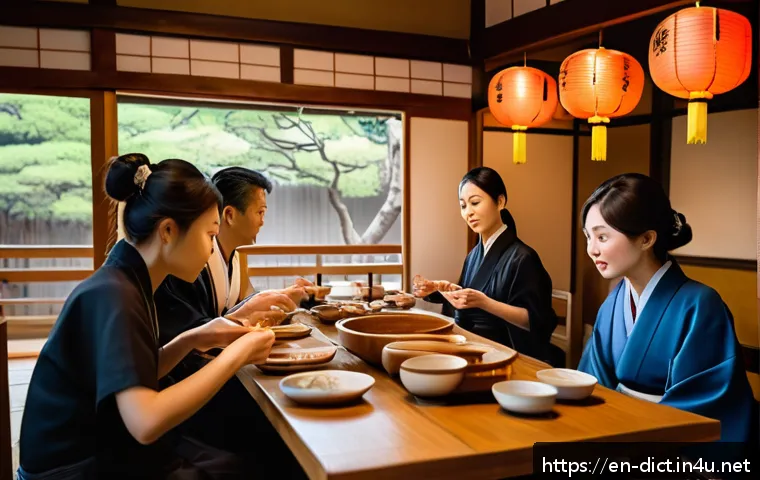
Sitting down to eat is one of the most universal human experiences, yet dining etiquette varies dramatically worldwide. In Japan, slurping noodles is a compliment to the chef, showing you’re enjoying your meal.
Contrast that with the United States or the UK, where slurping loudly might be seen as impolite. In India, eating with your right hand is customary, and using the left is often avoided due to cultural beliefs.
On a personal note, I once accidentally used my left hand during a meal in India, which led to some surprised looks but also friendly explanations that helped me adjust quickly.
Knowing these rules helps you avoid embarrassment and deepens your appreciation of the culture’s values.
Sharing Food: Customs and Social Bonds
Many cultures view sharing food as a sign of hospitality and trust. In Middle Eastern countries, offering guests multiple servings or insisting they eat more is a common way to express generosity.
Similarly, in Ethiopia, communal eating from the same plate strengthens social bonds. I found myself invited to share a meal during a trip to Morocco, and that simple act of sharing traditional dishes not only filled my stomach but also connected me to the heart of local life.
Understanding these customs means you’re not just a visitor but a welcomed participant in community rituals.
Understanding Tipping and Payment Norms
Tipping practices can be confusing, but they’re crucial to get right to avoid awkwardness or offense. In the United States, tipping around 15-20% in restaurants is standard and expected, while in Japan, tipping can be considered rude or unnecessary.
Meanwhile, in European countries like France and Germany, service charges might be included in the bill, so tipping is more discretionary. I recall a time in Paris when I left a large tip out of habit, and the waiter politely returned it, explaining the custom.
Doing a bit of homework on tipping customs before dining out can save you from uncomfortable moments and show respect for local service culture.
Celebrations and Social Gatherings Decoded
Local Festivals and Their Cultural Significance
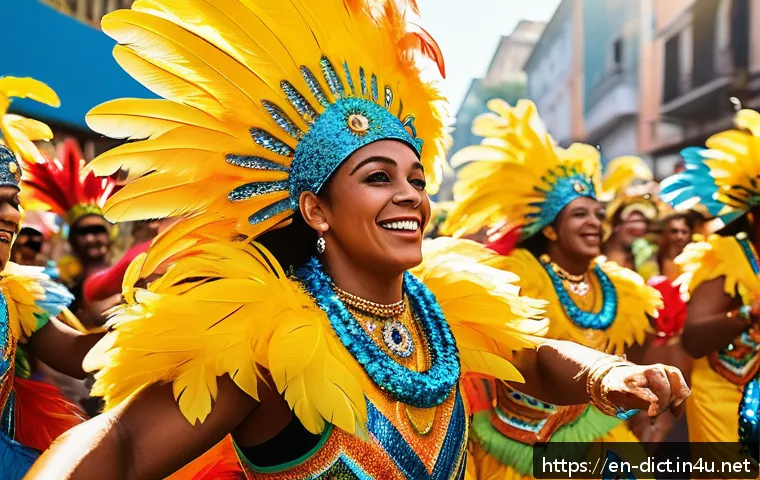
Participating in local festivals is one of the most enriching ways to experience a culture firsthand. Whether it’s the vibrant Holi Festival in India, the colorful Day of the Dead in Mexico, or the lively Carnival in Brazil, each celebration carries deep historical and cultural meanings.
Joining in these events with an understanding of their background can transform your experience from a simple spectator to an engaged participant. I remember dancing alongside locals during Rio’s Carnival, feeling the energy and unity that transcended language barriers.
Knowing the significance behind these festivals enhances your appreciation and respect for the host culture.
Gift-Giving Traditions and What They Mean
Gift-giving customs vary widely and knowing the right approach can make a lasting impression. In Japan, presenting gifts with both hands and modest wrapping shows sincerity, while in many Western cultures, the focus is more on the thought behind the gift rather than the presentation.
Some cultures have taboos about certain gifts; for example, giving clocks in China is linked to bad luck. I once learned this the hard way when I brought a clock as a souvenir to a Chinese friend, only to be gently corrected.
Understanding these subtleties helps you avoid faux pas and express genuine appreciation.
Invitations and Social Norms
How people invite and host guests can be quite different globally. In many Middle Eastern cultures, invitations might be extended repeatedly before a visit is confirmed, reflecting hospitality and eagerness to welcome guests.
In contrast, Western invitations often come with a clear RSVP and fixed time. I experienced this difference firsthand when visiting a friend in the UAE; the repeated invitations felt overwhelming at first but revealed a warm, open-hearted culture once I understood the intent.

Being aware of these social nuances ensures you respond appropriately and build stronger relationships.
Language Nuances Beyond Words
Idioms and Expressions That Reveal Culture
Idiomatic expressions are windows into how a culture thinks and feels. For example, the English phrase “break the ice” conveys easing tension, while in Spanish, “estar en las nubes” (to be in the clouds) means daydreaming.
I once tried to translate English idioms literally in a conversation with a local in Brazil, leading to puzzled looks and laughter. Learning local idioms enriches your language skills and helps you connect on a more personal level, showing that you’re not just speaking the language but thinking in it too.
Formal vs. Informal Speech: When to Switch Gears
Many languages distinguish between formal and informal speech, and using the right level of formality can affect how you’re received. In French, choosing between “tu” and “vous” signals familiarity or respect, while in Korean, verb endings change based on the social context.
During a business trip to South Korea, I quickly learned that mixing formal and informal speech could confuse or offend. Mastering these distinctions takes practice but pays off by demonstrating cultural awareness and respect.
Humor and Sarcasm Across Cultures
Humor often doesn’t translate directly and can be a minefield for travelers. What’s funny in one culture might be confusing or even offensive in another.
British sarcasm, for example, can be subtle and dry, while American humor tends to be more direct and exaggerated. I recall joking with locals in Ireland, where the witty banter and self-deprecating humor created instant rapport.
Being sensitive to the local style of humor can enrich conversations and prevent misunderstandings.
Understanding Social Hierarchies and Roles
Respecting Elders and Authority
Many cultures place a strong emphasis on respecting elders and authority figures. In many Asian cultures, showing deference to older people through language and behavior is a core value.
I noticed during a visit to Thailand that younger people often wait for elders to start eating before they begin, signaling respect. Recognizing and adapting to these social hierarchies not only avoids faux pas but also earns you deeper respect from locals.
Gender Roles and Expectations
Gender roles can shape social interactions and expectations in subtle and overt ways. In some Middle Eastern countries, certain spaces or activities are gender-segregated, and understanding these boundaries is essential for respectful engagement.
When traveling through the Gulf region, I observed how dress codes and social norms around gender influenced daily life. Being mindful of these roles helps you navigate social situations with sensitivity and respect.
Community and Individualism: Balancing Acts
Cultural attitudes towards community versus individualism influence behavior and communication styles. In collectivist cultures like Japan or Mexico, group harmony and consensus are prized, while in more individualistic societies like the U.S., personal achievement and directness are valued.
I found that in Japan, decisions often involved quiet consensus, requiring patience and attentiveness, whereas in the U.S., straightforward negotiation was the norm.
Adapting your approach to these cultural orientations facilitates smoother interactions and deeper understanding.
Essential Cultural Terms for Travelers
| Term | Meaning | Example Use |
|---|---|---|
| Hygge | Danish concept of cozy contentment and well-being | Enjoying a candlelit dinner with friends is perfect for hygge. |
| Ubuntu | African philosophy meaning “I am because we are,” emphasizing community | Helping a neighbor reflects the spirit of ubuntu. |
| Namaste | Hindi greeting meaning “I bow to you,” conveying respect | People greet each other with namaste in yoga classes worldwide. |
| Gezellig | Dutch word describing a warm, friendly atmosphere | The café’s gezellig vibe made it a favorite spot. |
| Fiesta | Spanish term for a festive celebration or party | The town held a colorful fiesta with music and dancing. |
In Conclusion
Exploring greetings, gestures, and cultural customs opens the door to meaningful connections around the world. Small acts of respect and understanding can transform your travel experience, helping you blend in and feel welcomed. By embracing local traditions and social norms, you not only show appreciation but also enrich your journey with genuine human interactions.
Helpful Tips to Remember
1. Always learn a few basic greetings and polite phrases in the local language to break the ice and show respect.
2. Pay close attention to body language and gestures, as they can differ significantly and impact how you’re perceived.
3. Familiarize yourself with dining etiquette and tipping customs to avoid awkward situations and demonstrate cultural sensitivity.
4. Participate in local celebrations and understand social rituals to deepen your connection with the community.
5. Be mindful of language nuances, social hierarchies, and gender roles to navigate interactions smoothly and respectfully.
Key Takeaways
Understanding and adapting to cultural differences is essential for successful and respectful communication abroad. Simple gestures like greetings and polite expressions carry immense weight in building trust and rapport. Being aware of social customs, from dining manners to humor, helps prevent misunderstandings and fosters positive experiences. Ultimately, immersing yourself thoughtfully in local culture not only enriches your travels but also creates lasting bonds with the people you meet.
Frequently Asked Questions (FAQ) 📖
Q: Why is learning cultural terms important for travelers?
A: Understanding cultural terms goes beyond just speaking the local language—it helps you connect on a deeper level with people and customs. From my own travels, I’ve noticed that even simple phrases or knowing the meaning behind certain traditions can open doors to genuine conversations and friendships.
It shows respect and curiosity, which locals truly appreciate. Plus, it helps avoid misunderstandings that could otherwise dampen your experience.
Q: How can knowing cultural expressions enhance my travel experience?
A: When you know key expressions, you’re not just a tourist passing through; you become part of the moment. For example, greeting someone in their native way or using a phrase tied to a local custom instantly breaks the ice.
I remember once using a traditional greeting in a small market, and it led to the vendor sharing stories about their culture, making the visit unforgettable.
These interactions make your journey richer and more authentic.
Q: What are some practical tips for learning cultural terms before traveling?
A: Start by focusing on common greetings, polite phrases, and words related to food, directions, and social etiquette. Apps and language guides are helpful, but what worked best for me was watching local videos or listening to native speakers to catch pronunciation and context.
Also, try to practice aloud—even if it feels awkward at first. The effort you put in usually pays off with warmer receptions and more meaningful exchanges once you arrive.