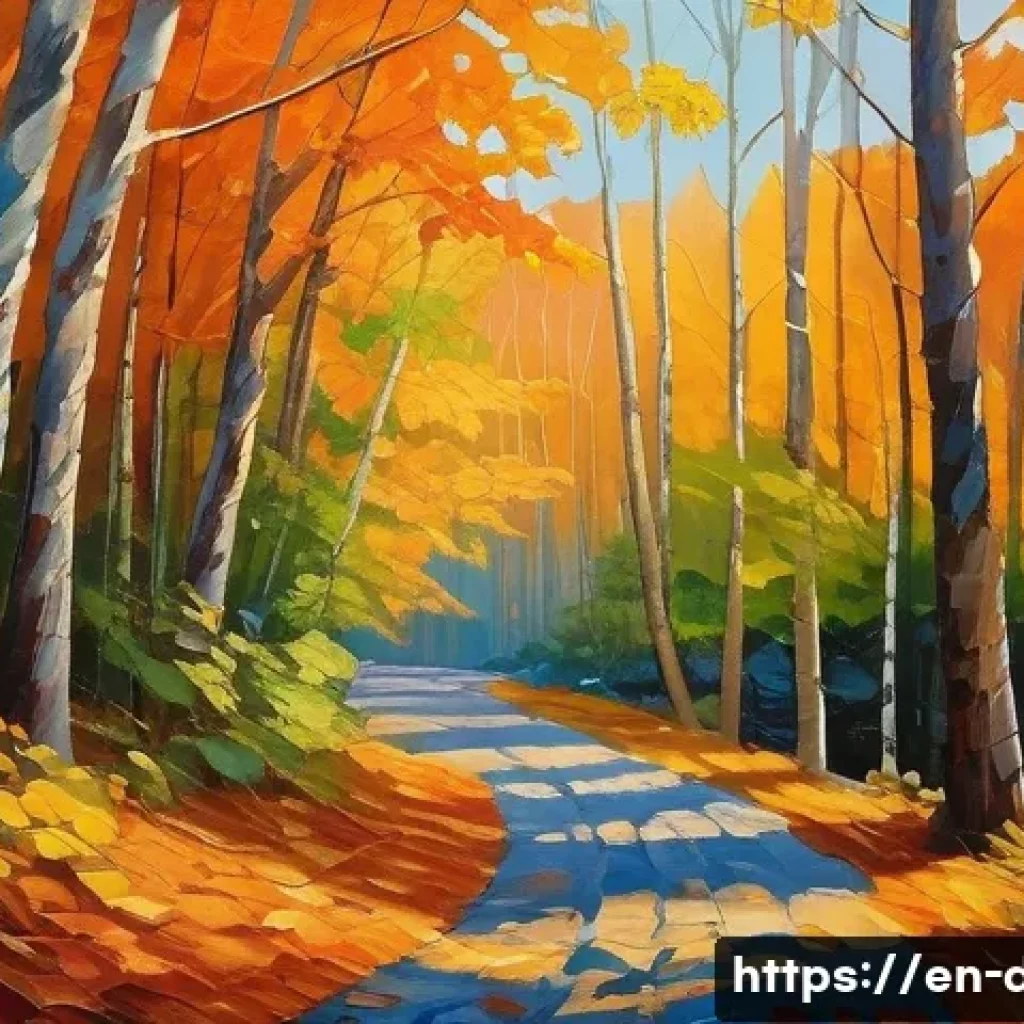
Diving into the world of art can feel overwhelming, especially when you encounter unfamiliar terms that artists and critics often use. Understanding these key art concepts not only enhances your appreciation but also empowers you to engage more deeply with various artworks.
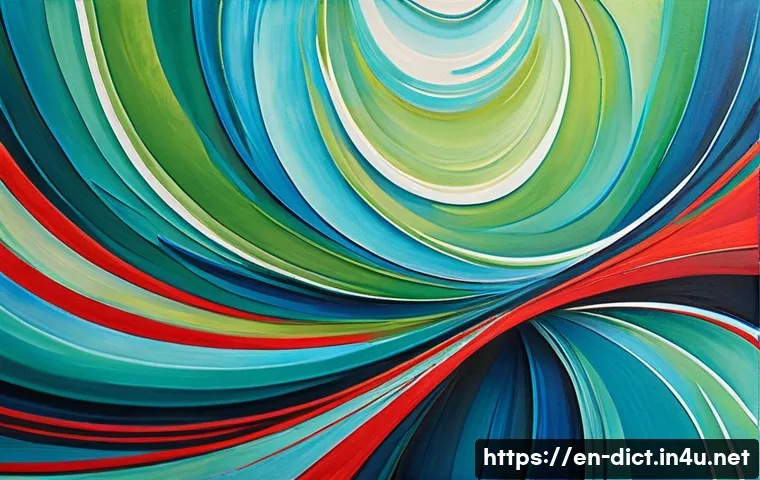
Whether you’re a budding artist, an avid collector, or simply curious, grasping the language of art opens up a richer experience. From brushstrokes to color theory, each term carries a story waiting to be uncovered.
Let’s explore these essential art terms together and unlock the secrets behind the masterpieces. Get ready to discover the details that truly bring art to life!
Discovering the Magic Behind Artistic Techniques
Unpacking the Layers: What Makes Texture Speak?
When you stand before a painting and feel almost like you can touch it, that’s texture working its charm. Texture in art refers to the surface quality—whether it’s smooth, rough, bumpy, or soft.
Artists create texture by using thick layers of paint, scratching into surfaces, or even adding materials like sand or fabric. I remember visiting a gallery where a painting’s texture was so rich and tactile that it almost seemed alive, inviting me to explore every inch with my eyes.
It adds depth and emotion, making the artwork more dynamic and engaging. Texture isn’t just about what you see; it’s about what you feel on a deeper level.
The Dance of Light and Shadow: Understanding Value
Value, in art, is all about lightness and darkness. It’s what gives a drawing or painting its form and dimension. Without value, images would look flat and lifeless.
I once tried sketching a simple apple, but it wasn’t until I played with light and shadow that it started to look real. Artists use value to highlight the sun’s rays or the deep shadows in a forest, guiding your eye through the composition.
Mastering value means controlling contrast to create mood, drama, and a sense of reality that pulls you right into the scene.
Color’s Emotional Palette: More Than Just Hues
Color theory is a vast and fascinating world. It’s not just about picking pretty colors but understanding how they interact and affect our feelings. Warm colors like reds and oranges can energize or provoke, while cool blues and greens tend to calm and soothe.
I’ve noticed that when a painting uses complementary colors—those opposite each other on the color wheel—it creates a vibrant tension that really catches your attention.
Beyond aesthetics, color can symbolize ideas, cultures, and moods, making it a powerful tool in an artist’s kit.
How Composition Shapes Your Viewing Experience
The Rule of Thirds: A Guiding Grid for Balance
Composition is the blueprint of any artwork, dictating where elements sit and how they interact. The rule of thirds divides the canvas into nine equal parts, encouraging artists to place key elements off-center for a more natural and compelling look.
I’ve found that this simple guideline makes photos and paintings feel more balanced without being boring. It’s like the difference between a posed portrait and a candid moment—one feels staged, the other alive.
Leading Lines: Guiding the Eye’s Journey
Leading lines are visual pathways that direct your gaze through a piece. Roads, rivers, or even the curve of a figure can act as these lines. In a landscape painting I once saw, the artist cleverly used a winding path to pull me from the foreground all the way into the distant mountains.
It’s a subtle trick that makes the artwork immersive, almost like stepping inside the scene. Artists use leading lines to tell a story and keep viewers hooked.
Focal Points: Where Your Attention Lands
Every artwork has a star—the focal point. It’s the spot designed to grab your attention first. Artists achieve this through contrast, color, or detail.
Once, I noticed how a portrait’s eyes were painted with such clarity and brightness that they immediately drew me in, making me feel connected to the subject.
A strong focal point helps anchor the viewer and makes the overall composition more impactful.
Exploring the Language of Movement and Rhythm in Art
Creating Flow: The Essence of Movement
Movement in art isn’t about actual motion but the illusion of it. It’s how your eyes travel across the artwork, guided by shapes, lines, or repeated patterns.
I recall a modern abstract piece where the swirling lines seemed to whirl around the canvas, making me feel like the painting was alive and breathing.
Movement energizes a piece, giving it life and personality beyond static images.
Rhythm: The Beat That Keeps Art Alive
Rhythm in visual art is similar to music—it’s the repetition or alternation of elements that create a sense of harmony and pattern. When I look at artworks with rhythm, like rows of trees or waves crashing, I feel a calming predictability that’s very satisfying.
This repeated visual “beat” can be steady or dynamic, guiding emotions and creating unity throughout the composition.
Using Contrast to Highlight Motion
Contrast isn’t only about light and dark; it can emphasize movement too. For example, a sharp change in color or texture can make a particular area pop and suggest action or tension.
In a street scene I once sketched, the contrast between the blurred figures and the crisp background created a sense of bustling motion, almost like you could hear the city’s hum.
Unlocking the Power of Symbolism and Meaning
Decoding Visual Metaphors
Artists often hide messages within their work through symbolism—objects or colors that represent bigger ideas. A simple white dove might stand for peace, or a wilted flower could symbolize loss.
When I first learned to look for these clues, it felt like unlocking a secret code. This layer of meaning adds richness and invites viewers to interpret artworks in personal ways, making each experience unique.
Color Symbolism: Beyond Aesthetic Appeal
Colors carry cultural and emotional meanings that go deeper than their visual impact. For example, in Western art, black often symbolizes mourning, while in some Eastern traditions, white is the color of mourning.
I’ve noticed how knowing these associations changes how you see a painting—what looks like a simple color choice becomes a profound statement.
Historical Context: The Artist’s World in the Frame
Understanding the time and place an artwork was created can reveal so much about its themes and style. I once visited a museum where a painting from the Renaissance era suddenly made more sense once I learned about the religious and political climate of the time.
Context is like the backstory that breathes life into art, connecting past and present.
Understanding Materials: The Building Blocks of Creation

From Canvas to Clay: Exploring Different Mediums
The choice of medium shapes the entire process and outcome of an artwork. Oil paints offer rich colors and slow drying times, perfect for blending, while watercolors provide transparency and spontaneity.
Sculptors use clay, stone, or metal, each lending a distinct texture and feel. I’ve tried several mediums myself, and each one challenges you differently, offering unique ways to express your vision.
The Role of Tools: Brushes, Knives, and Beyond
Artists’ tools aren’t just instruments; they’re extensions of their creativity. A brush can create delicate lines or broad strokes, while a palette knife adds texture and boldness.
I remember experimenting with palette knives and was amazed at how they transformed my painting style—making it more expressive and raw. Knowing your tools opens up endless possibilities.
Preservation and Longevity: Why Materials Matter
Some materials age better than others, affecting how artworks look decades or centuries later. Frescoes and oils often endure beautifully, while certain dyes or papers can fade.
This knowledge is crucial for collectors and museums. I’ve learned that understanding materials helps appreciate not just the art’s beauty but its survival story through time.
Charting the Elements That Define Artistic Styles
Realism vs. Abstraction: Two Worlds of Expression
Realism aims to depict subjects accurately, capturing details as the eye sees them. Abstraction, on the other hand, breaks away from reality, focusing on shapes, colors, and emotions.
I remember being captivated by an abstract piece that, at first glance, seemed chaotic but gradually revealed deep feelings through color and form. Both styles offer distinct experiences—one comforting in familiarity, the other thrilling in mystery.
Impressionism’s Play with Light and Color
Impressionism revolutionized art by capturing fleeting moments with loose brushwork and vibrant colors. Walking through an exhibit of Monet’s work, I was struck by how the shimmering light on water was rendered with dabs and strokes rather than precise lines.
This style invites you to see the world through the artist’s eyes, focusing on atmosphere and sensation rather than detail.
Modernism’s Bold Break from Tradition
Modernism challenged classical rules, embracing innovation and experimentation. Artists like Picasso and Duchamp pushed boundaries with cubism and ready-mades.
Experiencing modernist art firsthand can be startling but also exciting—it’s a reminder that art is always evolving and reflecting society’s changes.
| Art Concept | Definition | Impact on Viewer | Common Usage |
|---|---|---|---|
| Texture | Surface quality of an artwork, tactile or visual | Adds depth and emotional engagement | Painting, sculpture, mixed media |
| Value | Range of lightness and darkness | Creates form, dimension, and mood | Drawing, painting, photography |
| Composition | Arrangement of elements within the artwork | Guides viewer’s eye and balances the piece | All visual art forms |
| Movement | Illusion of motion through lines and shapes | Brings energy and life to artwork | Painting, sculpture, photography |
| Symbolism | Use of imagery to represent ideas | Adds layers of meaning and interpretation | Painting, literature, graphic design |
| Medium | Material used to create the artwork | Influences style and longevity | Painting, sculpture, printmaking |
| Style | Distinctive artistic manner or movement | Shapes viewer’s perception and emotional response | Historical and contemporary art |
The Emotional Connection: Why Art Speaks to Us
Personal Stories Behind the Canvas
Every piece of art carries the heartbeat of its creator. When I learned about the personal struggles and triumphs behind certain paintings, it changed how I connected with them.
Art becomes a conversation across time, inviting empathy and understanding beyond words. It’s like seeing through someone else’s eyes, feeling their joys and pains.
How Art Shapes Our Identity
Art reflects culture, history, and personal identity. Visiting diverse museums has shown me how different communities express their values and experiences uniquely.
This exposure broadens our worldview and fosters respect for others’ stories. Art isn’t just decoration; it’s a mirror and a window.
Therapeutic Power of Creating and Viewing Art
Engaging with art—whether making or admiring it—can be deeply healing. I’ve found that sketching after a stressful day calms my mind, and similarly, staring at a soothing landscape painting can ease anxiety.
This emotional release is a reminder that art is not just for galleries but a vital part of human well-being.
In Conclusion
Art is a powerful language that connects us through texture, color, movement, and meaning. Exploring these artistic elements deepens our appreciation and personal connection to creative works. Whether as a creator or viewer, understanding the layers behind art enriches our experience and opens new ways to see the world. Embracing art’s complexity invites us to engage more thoughtfully and emotionally with every piece.
Useful Information to Remember
1. Texture adds a tactile dimension to art, making it feel alive and emotionally engaging.
2. Mastering value—light and shadow—creates depth and mood, transforming flat images into realistic forms.
3. Composition techniques like the rule of thirds and leading lines guide viewers’ eyes and make artworks more dynamic.
4. Color choices influence emotions and can carry symbolic meanings that vary across cultures.
5. Knowing the artist’s context, tools, and materials helps us appreciate the artwork’s story and longevity.
Key Takeaways
Understanding art involves more than just seeing—it requires feeling, interpreting, and connecting with the creator’s intent. Elements like texture, value, and composition work together to shape our experience, while symbolism and historical context add depth and meaning. By exploring different styles and mediums, we recognize art’s evolving nature and its ability to reflect personal and cultural identities. Ultimately, art’s emotional power makes it an essential part of human expression and well-being.
Frequently Asked Questions (FAQ) 📖
Q: What are some basic art terms every beginner should know?
A: When you’re just starting out, it helps to familiarize yourself with a few key terms like “composition,” which refers to how elements are arranged in a work; “medium,” meaning the materials used (like oil paint or charcoal); and “perspective,” which is about creating the illusion of depth.
Knowing these basics makes it easier to understand and talk about art without feeling lost. Personally, once I got a handle on these, looking at paintings became way more engaging.
Q: How does understanding color theory improve my art appreciation?
A: Color theory explains how colors interact and influence each other, which can dramatically affect the mood and message of a piece. For example, warm colors like reds and oranges often evoke energy or passion, while cool colors like blues and greens can feel calming.
When I learned this, I started noticing how artists use color choices to guide emotions or focus attention, making my viewing experience much richer and more meaningful.
Q: Why is learning about brushstrokes important in art analysis?
A: Brushstrokes reveal a lot about an artist’s technique and intention. Some artists use bold, visible strokes to convey emotion and movement, while others prefer smooth, invisible strokes for realism.
Understanding this helps you appreciate the craftsmanship behind the work. From my own experience, paying attention to brushwork transformed my perception from just seeing an image to feeling the energy and personality behind it.